The Real Reason your Feet Start Hurting in Summer

Written by: Dr. James Gordon
What is this article all about?
- Primary Focus: Learn the direct cause of increased summer foot pain—the switch from supportive shoes to flat, unsupportive sandals and flip-flops, combined with increased activity.
- Key Takeaways: Gain insight into complex heel pain (distinguishing common plantar fasciitis from nerve-related issues) and receive five actionable steps for immediate pain relief and recovery.
- Length: The article is a quick read, taking approximately 3 minutes (630 words).
“The human foot is a masterpiece of engineering and a work of art” – Leonardo da Vinci
Now that Victoria Day has come and gone, marking the unofficial start of summer, we begin to see a dramatic increase in people seeking treatment for foot pain. There are many reasons why this happens, and part of our job is determining which combination of factors is contributing to each individual’s symptoms.
One of the most common patterns we see is the seasonal change in footwear. People are eager to get out of their closed toe shoes that provide cushioning, arch support, and sometimes even house the custom orthotics we have made for them. In their place come sandals, flip flops, slides, and other flat open toe shoes that often provide little to no support. Pair this with the increase in walking, beach trips, hikes, and outdoor activities that naturally come with warmer weather, and it creates the perfect environment for foot pain to develop.
Honestly, I do not blame anyone for making the switch. Living in Tsawwassen, we are lucky to have beautiful beaches and great summer weather. Nobody enjoys getting sand stuck in their shoes or putting socks back on after walking barefoot along the beach. Personally, that remains one of my least favourite beach activities. Unfortunately, many of those convenient or stylish summer shoes come with a price.
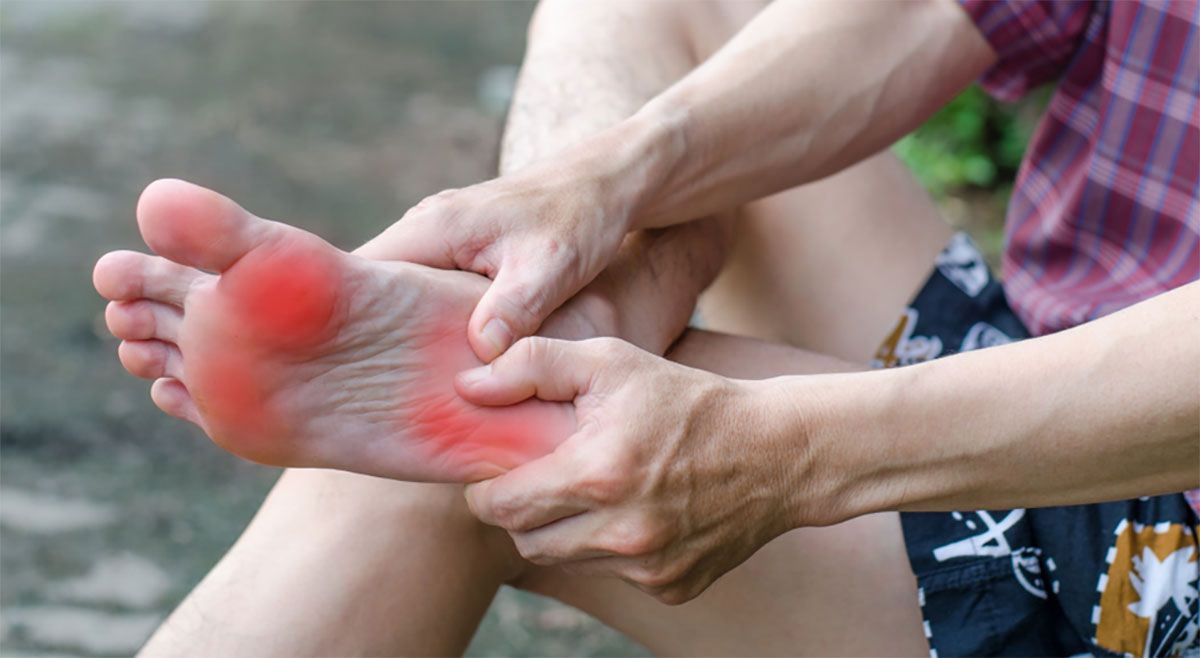
The pain often creeps in gradually. For many people, it resembles the classic presentation of plantar fasciitis. Pain develops around the heel of the foot, especially during those first few steps out of bed in the morning, sometimes feeling like you are walking on glass. For others, it may present as a dull ache through the arch or middle of the foot that lingers for weeks. One of the most common things I hear from patients is, “I thought it would just go away on its own, but now it has been three weeks and it is still bothering me.”
One of the very first things I look at during an assessment is the footwear someone walked into the clinic wearing. More often than not, the shoes themselves are a major contributing factor. That said, it is rarely just about the shoes alone. During the assessment, I take a deep dive into a patient’s history, including activity levels, occupational demands, previous injuries, and any history of low back or foot pain. From there, we move into a detailed biomechanical assessment. This involves looking not only at the foot itself, but also at the entire kinetic chain, including the ankle, knee, hip, and low back.
Something that often surprises people is that the low back can actually be a major contributor to foot pain. Most people understandably associate low back and sciatic nerve pain with symptoms that travel down the back of the leg. However, more often than many realize, sciatic nerve irritation can bypass the leg entirely and present as pain in the heel or bottom of the foot, closely mimicking classic plantar fasciitis.
One important structure that I overlooked for many years, and one that I suspect is missed in many clinics, is a small peripheral nerve called the medial calcaneal nerve. What makes this nerve particularly important is its location and how closely its symptoms can mimic other common foot conditions. The nerve wraps around the bottom of the heel in almost the exact location many people point to when describing their plantar fasciitis pain. Distinguishing nerve related pain from pain originating from structures such as the plantar fascia, joints, ligaments, or muscles is extremely important because treatment can vary significantly depending on the true source of the problem.
So What Do I Do About It?
We went a little deep into the weeds there, but if you’ve made it this far, or skipped straight to this section, you’re probably wondering what you can actually do about your foot pain. The good news? There is a lot that can be done, and no, you are not doomed to spend your summer wincing and toe curling through every beach walk, hike, or evening stroll.
Here are a few simple things you can start doing today:
1. Upgrade Your Footwear
The first step is often the biggest one: ditch the flat, unsupportive “pancake” shoes. Thankfully, there are plenty of supportive sandals and beach friendly shoes available now that still look great while giving your feet the support they need.
2. Give Your Feet Some Recovery Time
If your feet are feeling sore and overworked, try:
- Epsom salt baths
- Rolling your foot over a frozen water bottle
- Using a golf ball or lacrosse ball to massage the arch of the foot
These can all help reduce tension and take the edge off irritated tissues.
3. Try Topical Pain Relief
Topical creams such as Tiger Balm or Cryoderm can sometimes help calm down irritated and sensitive areas, especially after long days on your feet.
4. Don’t Ignore Persistent Pain
If your pain has been lingering for weeks, keeps coming back, or is limiting your activity, it is probably time to get it assessed properly. Foot pain is not always as straightforward as it seems, and getting the right diagnosis matters.
5. Get an Expert Assessment
At Aktiv Coast Healthcare, we take a comprehensive approach to foot pain. Depending on the cause of your symptoms, treatment may include:
A full gait and biomechanical assessment
- Custom orthotics
- Targeted stretches and exercises
- Manual therapy
- Class IV laser therapy
- Neurodynamic assessment and treatment
Aktiv Coast Healthcare Can Help!
Our goal is not just to reduce pain temporarily, but to identify the root cause and get you back to enjoying your summer comfortably.
If you or someone you know is struggling with foot pain while walking, exercising, or enjoying summer activities, we encourage you to try some of the strategies above and book an appointment with one of our clinicians for a proper assessment.
For New Patients – Book A New Patient Appointment Here
For Existing Patients – Book A New Complaint Assessment Here
For more information on how Litecure Class IV laser therapy can help – For conditions like plantar fasciitis check out our website here