Let’s Get Physical Movement of The Month: The “Perfect” Squat
The squat is arguably our most foundational movement. It engages the entire body and offers endless variations in tempo, weight, support, and depth. Simple to perform anywhere, the squat is also a great assessment tool. Our chiropractors use it to evaluate movement ability, stability, balance, and strength, helping us understand how your mechanics contribute to your injury profile. We encourage all patients—from those focused on longevity to peak athletes—to incorporate squats. While guidelines for rest and tempo vary based on your specific goals and injury history, the movement remains a cornerstone of health and performance.
Just A Few Reasons Why Squatting Matters
- Foundational Movement: Squatting mimics essential Activities of Daily Living (ADLs) and is a test of total body mechanics.
- Injury Protection: Proper technique builds the leg strength necessary to protect the knees, hips, and back from vulnerability.
- Longevity Indicator: The ability to perform functional movements like the squat is a key sign of neuromuscular control and functional capacity as we age.
Anatomy of the “Perfect” Squat
A “perfect” squat demonstrates fully coordinated extremity mobility and core stability. Use these professional cues to refine your form:
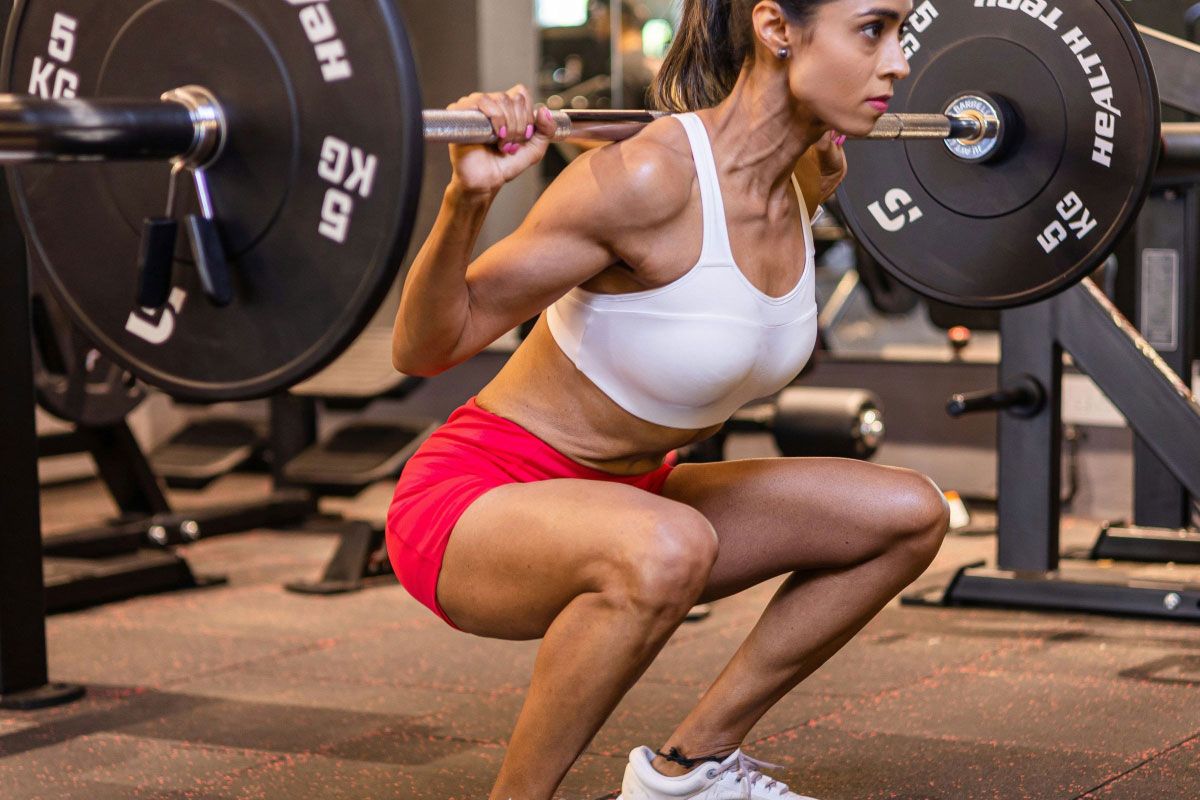
The Set-Up: Stand with feet approximately shoulder-width apart.
- The Arch: Maintain a slight forward curve (arch) in your lower back to protect your spinal discs.
- The Hip Hinge: Initiate the movement by pushing your buttocks backward and down first—imagine sitting back onto a high bar stool.
- Weight Distribution: Keep your weight centered through your heels, ensuring they stay firmly on the floor.
- Knee Alignment: Squeeze your glutes to stop your knees from falling inwards. The knees should not fall past your toes.
- Depth: Aim for your femur (thigh bone) to drop to horizontal with the floor for full range of motion.
Common “Issues” Holding You Back
If you struggle to reach proper depth or maintain form, several biomechanical factors might be at play:
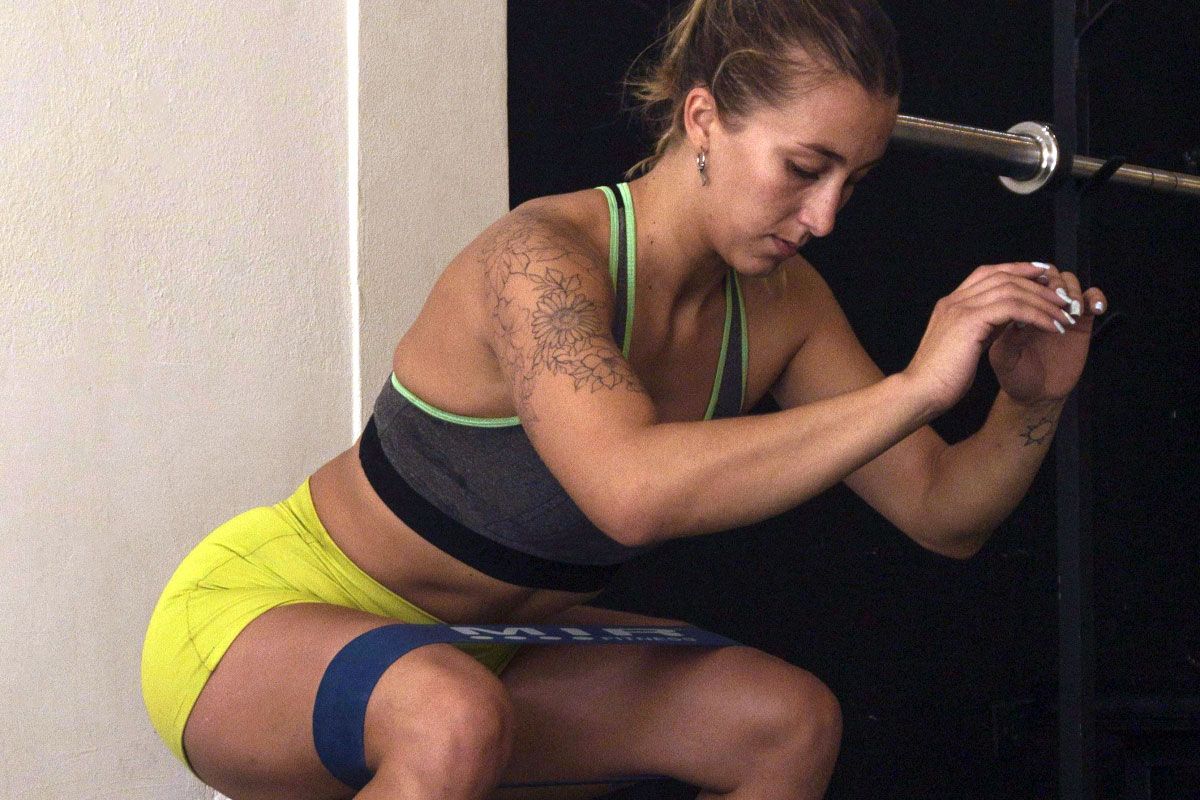
- Ankle Mobility: Limited dorsiflexion of ankle “bending” is a common reason heels lift off the floor.
- Hip & Knee Flexibility: Poor flexion in these joints can limit your depth and lead to compensatory “slouching”.
- Core & Pelvic Stability: A lack of dynamic control in the core and pelvis can cause the torso to lean forward excessively stressing the knees.
- Upper Torso Stiffness: Limited mobility in the thoracic spine or shoulders can prevent you from keeping your chest upright.
Finding the specific culprit
Each issue has different techniques and strategies. A few techniques that are often helpful:
- Manual Therapy: We utilize specialized techniques such as Active Release Techniques (ART®), Graston®, and spinal manipulation to improve joint movement and reduce muscle tension.
- Corrective Progressions: We provide you with specific exercises and progressions to address movement issues and guide your ideal health and performance.
Longevity & The “Sit-to-Stand” Connection
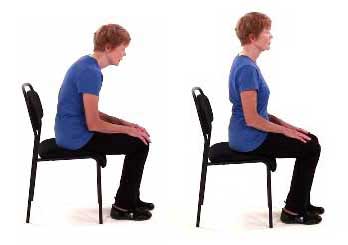
The “Sit-to-Stand” movement is a vital indicator of long-term health, assessing the strength and balance needed to navigate your environment safely. Maintaining these patterns ensures independence and reduces fall risks as we age. At Aktiv Coast Healthcare, we prioritize keeping our Tsawwassen community strong and mobile through every stage of life.
OK. So now what?
If you’re looking to improve your squat performance and take a look at how this may be affecting your current or previous injury profile please book an appointment with one of our chiropractors as a first step:
Book Your Chiropractic Assessment at Aktiv Coast Healthcare Here
Or call us at 604.943.1006